
How does building functionality in a website improve SEO?

At its core, SEO comes down to two things: how your website content is labeled and how easy your website is to use. Search engines need to understand what your content is about, but the people who find your website also need to be able to actually use it.
That means SEO isn't just about getting someone to your website. Your website needs to help them find information, navigate easily, and take the next step.

What Does Website Functionality Mean?
Website functionality is anything built into your site that allows a visitor to do something, rather than just read information. Many of the small business owners I work with have spent months trying to build out pages on their website before realizing that with the right functionality installed it can simplify the process, create a more professional experience, support SEO, save time, and even make it easier to get paid. Since functionality comes with its own built-in structure and design, additional page design is often minimal and can be incorporated into your existing website with an application installation.
Depending on the business, that could include:
Email signup forms and automations
Online payments
Search and filtering tools
Forms, applications, or quote requests
Location-based features
Reviews and other business integrations
The right functionality depends on what your customers need to accomplish and how your business operates.
1. Functionality Helps Visitors Complete What They Came to Do
A strong website shouldn't have to keep telling visitors that a business is experienced, trusted, or good at what it does. Functionality can help show them.
Instead of saying customers love working with you, integrate Google Reviews so visitors can see what customers are saying.
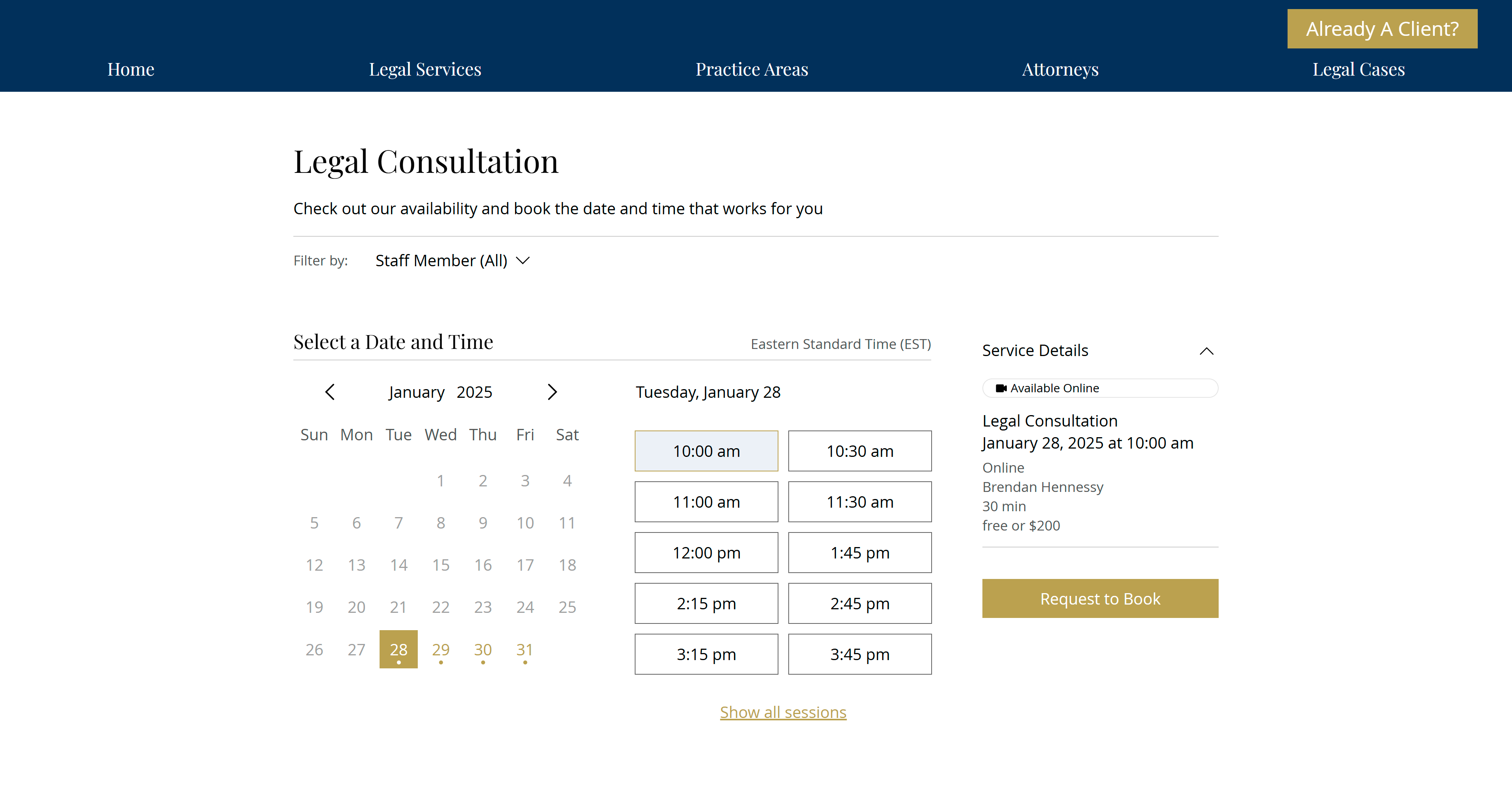
Instead of telling someone how easy it is to work with you, let them book an appointment directly.
Instead of describing upcoming events, let visitors browse and register for them.
Instead of saying you are an expert in your field, build a blog or resource library that demonstrates your knowledge.
Functionality gives visitors something tangible to interact with and helps back up the claims being made throughout your website. It turns the site from something people simply read into something they can engage with.

2. Functionality Can Create More Searchable Content
One of the biggest SEO advantages of building functionality into a website is that it can create opportunities for more useful, structured content.
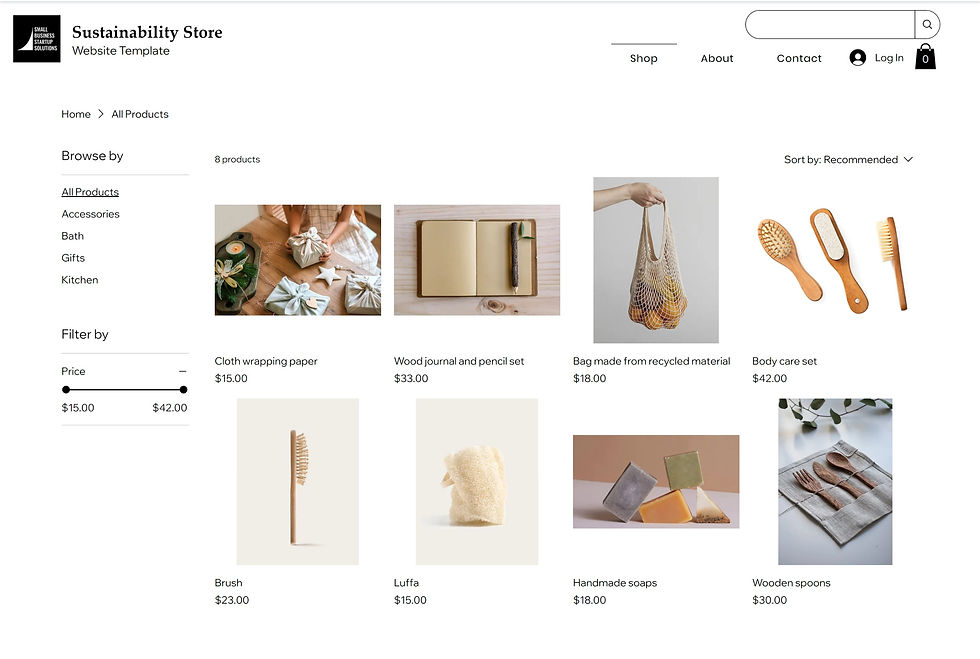
An online store can have individual product pages.
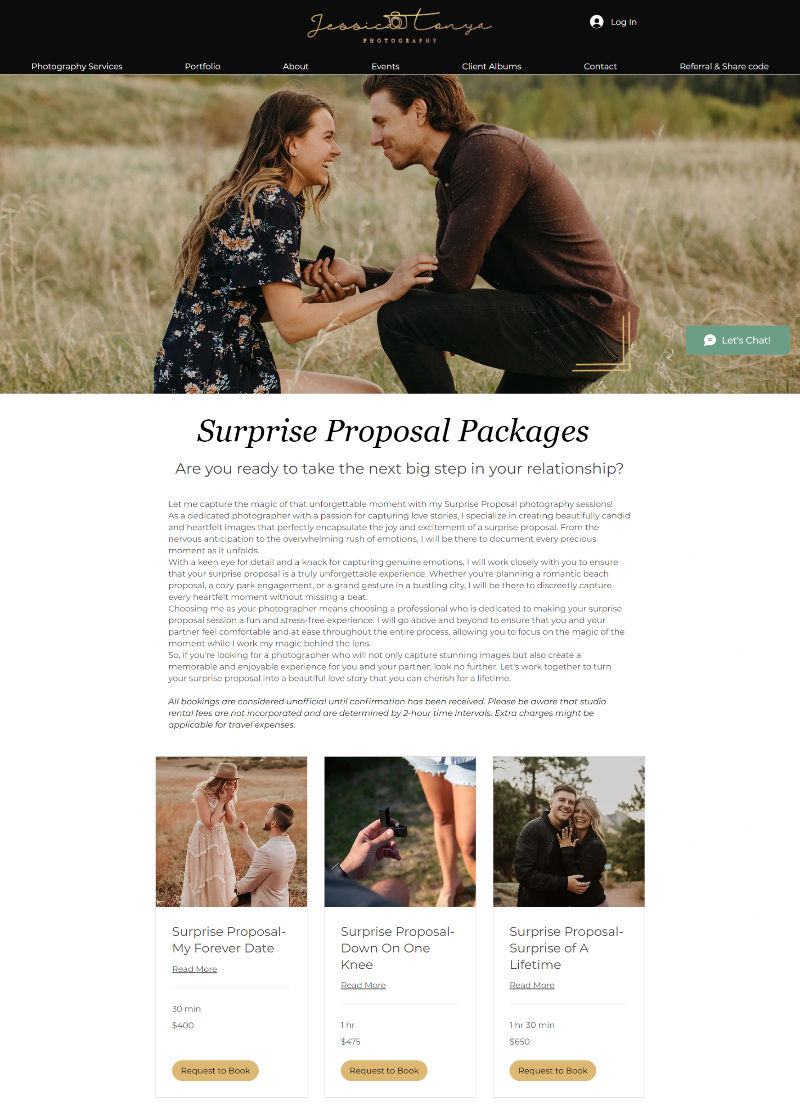
A booking system can support individual service pages.
An events system can create dedicated event pages.
A blog creates individual articles around questions people are actively searching for.
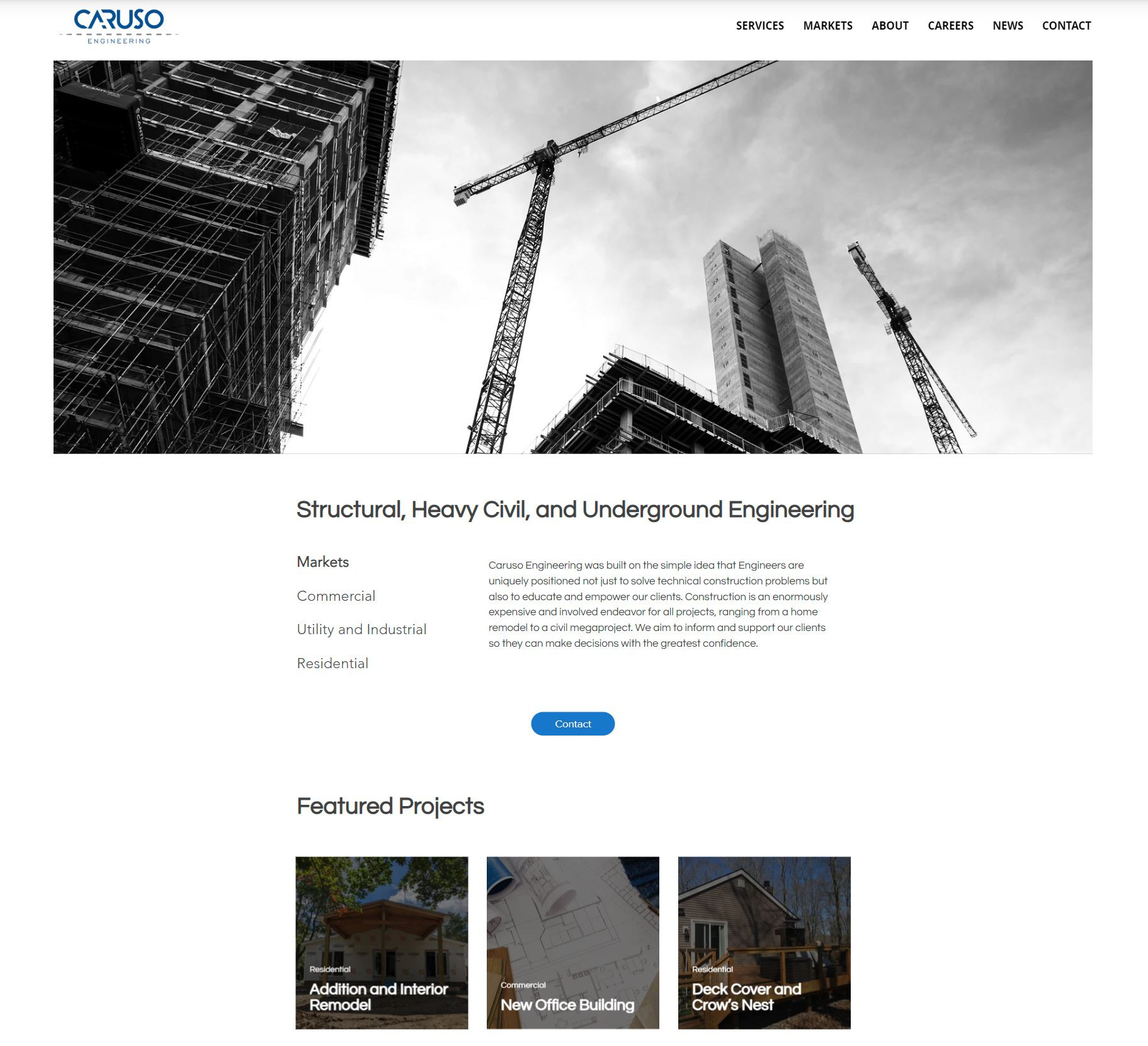
Instead of having one general page trying to rank for everything your business does, your website can develop a larger collection of pages with specific purposes.
For example, a business might have separate pages for:
Services → individual services → related resources → FAQs → booking
Each page gives search engines more context about what the business offers while giving visitors clearer paths through the website.
3. Functionality Can Better Match Search Intent
You want to attract the right person for the right reason.
Someone searching “book a dog trainer in New York” has different intent than someone searching “how to stop a puppy from biting.”
The first person may need a service page and booking functionality. The second may need an educational blog post that connects them to the appropriate training service.
Building functionality around these different needs allows your website to support people at different points in their search.
A visitor might discover you through a blog, explore a service, read about your process, and then schedule a consultation without leaving your website.
That creates a much more connected website than treating every page as an isolated piece of content.

4. Functionality Gives Your Pages a Clearer Purpose
One SEO mistake I frequently see on DIY small business websites is trying to fit too much content onto a single page.
Adding functionality can help organize that information and spread it out in a way that makes sense. This creates a much cleaner more modern design.
Feeds can then be used throughout your website so you’re not redesigning content every time you want to feature it. For example, featured products can automatically appear on your homepage, or relevant blog posts can feed directly into a service page.
Instead of manually designing a section for every upcoming event using separate images, headings, text, buttons, and links - a built in events system gives each event a consistent, dedicated page that's part of your website. Upcoming events can then automatically feed into and be featured throughout the site, this makes events easier to manage while improving usability, design consistency, and SEO.
5. Functionality Can Encourage Visitors to Explore More of Your Website
The best website functionality doesn't exist on its own. It connects different parts of the site.
A blog post can display other related posts.
Services can be categorized and fed into relevant service category pages.
Events can be categorized so that board meetings can be on a different page than community events.
Products can be categorized by season on a page with other similar products, and allow for sorting and filtering ability on a page.
This creates stronger internal linking throughout the website.
Internal links help search engines understand the relationships between your pages and the overall structure of your site.
Rather than having dozens of disconnected pages, you begin building an interconnected website around the topics, services, products, and resources that matter to your business.

6. Functionality Can Keep Important Activity on Your Website
Third-party platforms can be useful to help manage functionality, but what businesses are actually doing is sending visitors away from their own websites unnecessarily.
Sometimes an external platform is the right solution for example a healthcare provider may have a third party members portal thats HIPPAA compliant thats connected to their website. But when functionality can be integrated directly into the website, it can create a more consistent customer experience.
The goal is for your website to become the central place where someone can learn, explore, book, buy, register, subscribe, or contact you.
It also gives you more control over how these actions connect with your content, branding, analytics, and overall marketing strategy. Managing different parts of your business across multiple platforms can quickly become complicated. Adding functionality directly to your website helps bring more of those tools and processes into one place.
7. Functionality Can Give People a Reason to Return
A five-page website that rarely changes may have limited opportunities to target new searches. A website that regularly adds relevant articles, resources, events, products, services, or other useful content can continue expanding the topics and searches it can potentially appear for.
The goal isn't to add content simply for the sake of SEO. It is to create useful content and functionality that supports what your business and audience actually needs.
Functionality Should Support Your SEO Strategy—not Replace It
Functionality alone isn't SEO.
Adding a booking system to a website doesn't mean the booking pages are automatically optimized. Installing a blog doesn't help much if the posts aren't structured correctly. Creating an online store doesn't guarantee Google understands your products.
The functionality still needs to be implemented strategically.
That can include:
Clear page structure and headings
Search-friendly page titles and meta descriptions
Descriptive URLs
Image optimization and alt text
Internal linking
Mobile responsiveness
Accessibility
Relevant written content
Proper organization of services, products, posts, and categories
Technical and on-page SEO considerations
This is why I look at functionality, SEO, accessibility, content, and design as connected parts of a website, rather than completely separate projects.
When functionality is built strategically alongside SEO, it can create a website that is easier to navigate, provides more useful content, creates stronger connections between pages, and gives visitors clear ways to take the next step.
If your website isn't doing enough to support your customers or your business, get in touch or schedule a strategy session to identify the functionality that could make your website more useful, effective, and easier to find.


